
Marketing

10 Best Marketing Agencies for Accounting Firms in 2026
Compare 10 marketing agencies for accounting firms in 2026, offering SEO, content marketing, paid advertising, local SEO, and lead generation services.

With a shortage of accounting talent, declining revenue from compliance work, and the rise of productized services, many accounting and tax firms are exploring Client Accounting Advisory Services (CAAS) as their next strategic move.
In a previous blog, I covered what CAS really means (and what it doesn’t) and why advisory services should be the next move for your firm.
But before diving into CAAS, it’s essential to understand the steps involved.
This guide is your roadmap to get started—from gauging your readiness to building a brand that resonates with clients and communicates the true value of advisory.
Related Read – CAS vs. CAAS in Accounting: What is Better?
Client Accounting and Advisory Services (CAAS) isn’t new, yet many accounting and tax firms overlook the significant revenue potential that advisory services bring to the table.
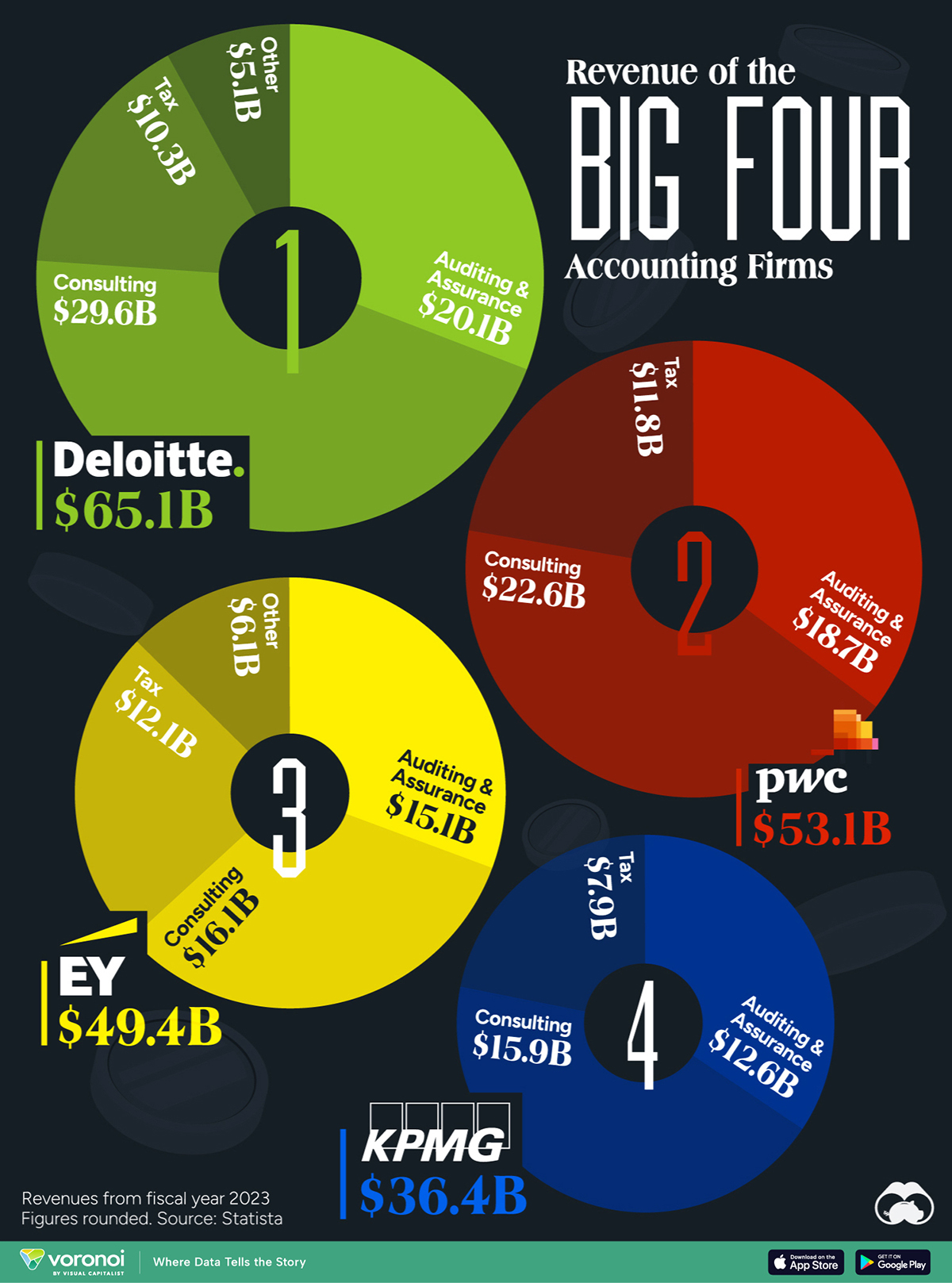
Just consider this: in 2023, the Big 4 firms reported over $80 billion in revenue from consulting services alone.

This shows the substantial growth potential that advisory services can add to your firm’s portfolio, helping you tap into new revenue streams and add more value for clients.
Client Accounting Advisory Services (CAAS) are exactly what they sound like—high-value advisory services that guide your clients through strategic decisions.
From cash flow management to expansion planning and hiring strategies, CAS allows you to become a trusted advisor in areas that directly impact a client’s growth and efficiency. If your clients already turn to you for advice on maximizing revenue and improving their operations, you’re likely delivering CAS without even realizing it.
CAS is a forward-thinking service where you leverage real-time data to deliver proactive advice.
This enables clients to make informed decisions, optimize for growth, and stay agile in a constantly changing business environment. It’s about becoming a critical partner in their success.
Some people group all advisory services under Financial Planning and Analysis, but it doesn’t have to be limited to that.
The range of services you offer is entirely up to you.

Thinking about diving into Accounting Advisory Services but feeling a mix of excitement and overwhelm? Let’s make the transition smoother—schedule a call to get started.
I was fortunate to help Becky with capacity management and solve the biggest problem for her.
But, the biggest problem with Tax season was the sudden influx of work.
This was a solution that empowered Becky to stop her clients from running the firm and take charge herself.
Becky began following a system—calendar approach for capacity planning that transformed how her firm operated.
Want to know more about that? Read till the end
Becky’s story about capacity management and growing her tax firm doesn’t end here.
This year she decreased the number of clients and increased revenue.
How did she do that? Read here.
Back to the capacity management system. Having this system is non-negotiable for tax firms. Curious about what this system entails?
That’s exactly what we’re going to dive into next.
When a client asks you a question that goes beyond compliance work, take note—it’s a sign of an unmet need and a golden opportunity for accounting advisory services. These questions signal that clients already see you as a trusted advisor, even if you’re answering for free. But are you ready to officially offer and monetize these advisory services?
Before making the shift, assess if your firm is prepared.
Here are a few key questions to consider:
Advisory services are about aligning financial insights with the big picture.
Clients need help interpreting numbers, so being able to explain complex concepts simply is crucial.
If you’re nodding along, you’re likely ready to start offering Client Accounting Advisory Services (CAAS).
And if you’re still thinking, “I need to learn advisory,” you might be caught in one of the most common myths surrounding advisory accounting.
It’s time to recognize that your expertise already holds immense value—why not start delivering it officially?
To make CAAS effective and appealing, design service packages that cater to specific client needs. Here’s how:
For instance, a “Financial Health” package might include cash flow forecasting, budgeting, and profitability analysis. Meanwhile, an “Outsourced CFO” package could include strategic planning, regular financial reviews, and KPI tracking.
A clear and compelling offer can differentiate your advisory services from standard accounting tasks, making it easier for clients to see the value you bring.
One of the major shifts with CAAS is pricing.
Traditional hourly billing doesn’t align well with the recurring and strategic nature of advisory services. Here are two approaches to consider:
Value-Based Pricing: Set your prices based on the value these services bring to your clients. For example, if your tax planning helps a client save $15,000 annually, pricing at a fraction of that savings demonstrates your worth.
Subscription Model: Offer CAAS through a flat monthly fee that covers a suite of services. This allows clients to budget predictably and reduces the need for frequent billing discussions.
For instance, a small business might pay a set fee each month for quarterly reviews, financial reports, and KPI tracking.
Both models remove the focus from time and put it on the results, which makes the services more attractive to clients and easier for your firm to scale.
More on Pricing Accounting Advisory Services here
The right technology will streamline your workflow, enhance client experience, and save you time. Here are essential tools to consider:
Financial Reporting Software: Tools like Reach Reporting allow you to create custom financial reports and dashboards, making it easy for clients to track their progress. This can be especially useful for showing metrics like cash flow and profitability over time.
Tax Planning Software: If you plan to include tax advisory as part of your CAAS offerings, investing in dedicated tax planning software will be of great help.
It allows you to simulate tax scenarios and forecast potential savings, helping you demonstrate the tangible benefits of your advisory services.
Practice Management Software: Consider an all-in-one solution like Finacial Cents or TaxDome, which handles client communication, workflow management, billing, and secure document sharing. Having everything in one place ensures a smooth, organized client experience.
Investing in the right tech stack not only makes your work easier but also adds value to your clients by delivering high-quality insights and results efficiently.
Related Read – Top 24 Tools for Accounting Firms Building Offshore Teams
By offering CAAS, you’re already taking steps to stand out from the competition. But how will clients know you’re the advisor they can trust to help them save money and plan strategically? Building a strong brand around your advisory expertise will attract clients who need guidance beyond compliance. Here’s how to approach branding for CAAS:
Develop a Client-Centric Message: Focus on client outcomes and how your advisory services drive results. Rather than saying, “We offer tax planning,” say, “We help businesses save on taxes.” This keeps the spotlight on the value you bring.
Use Content Marketing: Share valuable insights on topics that resonate with your target clients, like financial planning, profitability tips, and tax-saving strategies. Thoughtful content positions you as a go-to expert and keeps you top-of-mind.
Highlight Success Stories: Case studies and testimonials are powerful trust-builders. Showcase how your advisory services have created measurable impact for other clients, emphasizing the ROI and tangible results they’ve achieved.
With a strong branding strategy, you’re doing more than selling a service—you’re building a reputation as a trusted advisor who’s invested in your clients’ financial success.
Launching CAAS goes beyond setting up the service itself.
Here are a few additional actions to consider:
Build a Skilled Team: Advisory services require skills different from compliance work. You may need to bring on new team members or upskill current staff to handle areas like financial analysis, forecasting, and strategic planning.
Want offshore staff to support you with advisory work? Get in touch
Upsell to Existing Clients: Your current clients are already familiar with your work, making them ideal candidates for CAAS. Start by offering a free consultation or demo to showcase the value of your advisory services.
Acquire Relevant Skills: Providing high-quality CAAS may require learning new skills, especially in financial analysis and strategic planning. Consider investing in courses or certifications for yourself and your team.
Offering Client Accounting Advisory Services is a powerful way to add value for clients, create recurring revenue, and grow your firm.
By focusing on client needs, building strategic packages, implementing modern pricing models, leveraging technology, and creating a strong brand, you’ll be well-positioned to succeed with CAAS.
Follow these steps, start small, and refine your approach as you go.
Over time, your CAAS offerings will establish you as a trusted advisor, helping your clients make better financial decisions and ensuring the long-term growth of your firm.
Do you want to transition from CAS to CAAS? If yes and you want a partner to navigate through the change, schedule a call.
Credfino is an offshore staffing partner for accounting and tax firms based in the US and Canada. But our service suite is not limited to that.
We also help firms transition into modern accounting firms by upgrading tech stack, fixing pricing models, and also navigating from compliance to advisory.
Compare 10 marketing agencies for accounting firms in 2026, offering SEO, content marketing, paid advertising, local SEO, and lead generation services.


Offshore tax preparation for multi-state returns in 2026, helping CPA firms manage complex filings, compliance requirements, and tax preparation workloads.

Compare 7 platforms to hire offshore tax preparers for CPA firms, covering tax preparation, bookkeeping, compliance support, and flexible staffing options.